Waffle Maker vs Belgian Waffle Maker: Key Differences
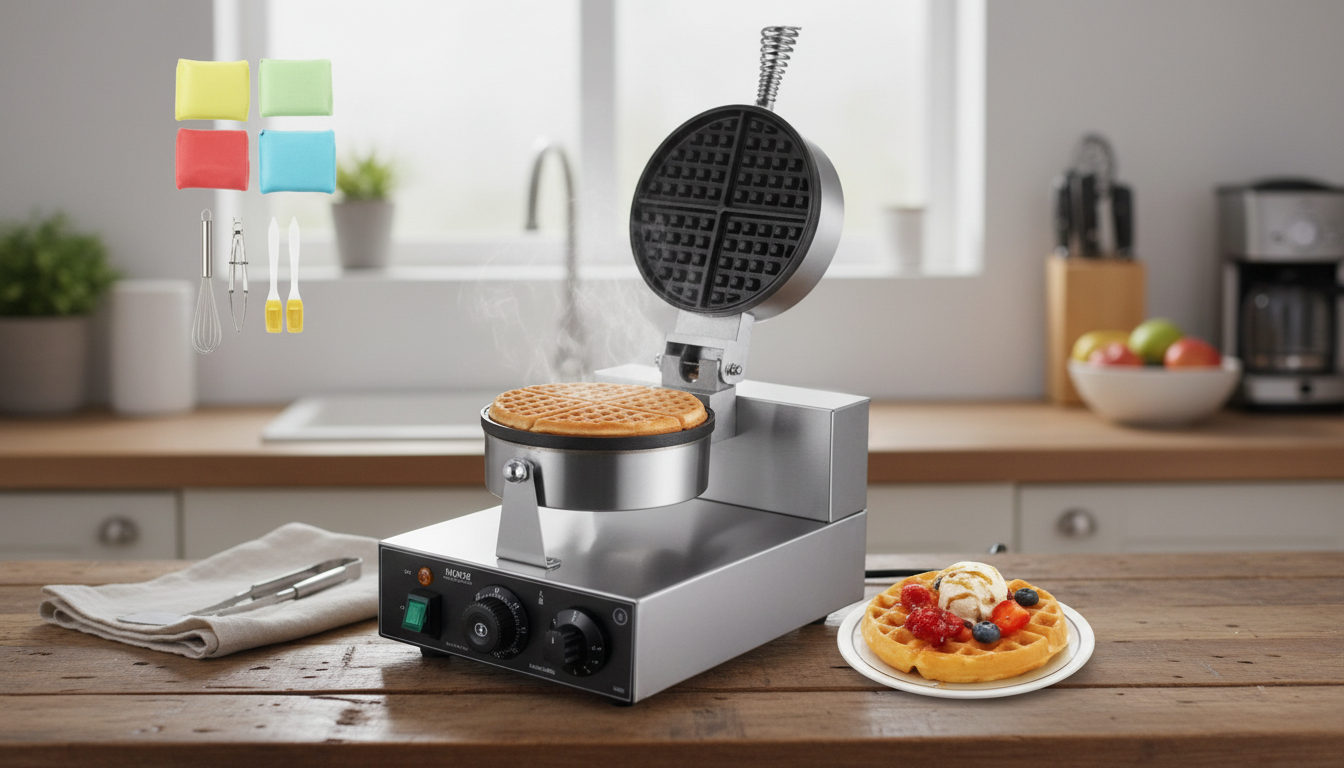
What’s the difference between a waffle maker and a Belgian waffle maker?
A standard waffle maker and a Belgian waffle maker both cook batter between two heated plates, but they’re designed to produce different styles of waffles. The biggest differences come down to depth, texture, and how the waffles are meant to be served.
Plate depth and waffle thickness
Belgian waffle makers typically have deeper grids, which create thicker waffles with larger pockets. Those deeper pockets hold more syrup, butter, whipped cream, or fruit. Many classic (American-style) waffle makers use shallower plates for a thinner waffle that cooks a bit faster and feels crisper edge-to-edge.
Texture: airy vs. crisp
Because Belgian waffles are thicker, they often bake up with a fluffier interior—especially if the batter is yeast-based or whipped for extra lift. Standard waffles tend to be thinner and can get evenly crisp across the surface, making them great for quick breakfasts or for topping with fried chicken, gravy, or chili.
Batter expectations
You can use many batters in either machine, but Belgian waffle makers are commonly paired with richer or lighter batters that expand into the deeper pockets. Standard waffle makers are more forgiving with everyday pancake-style batter when you want a reliable, thinner waffle that cooks through without much fuss.
Size, shape, and features
Belgian waffle makers often produce larger round or square waffles and may include features like a rotating design to distribute batter more evenly and help the thicker waffle cook consistently. Standard waffle makers are frequently more compact and straightforward, which can be a plus for smaller kitchens or quick cleanup.
For a deeper comparison and buying tips, visit the main guide on waffle maker vs. Belgian waffle maker differences.
FAQ
Can you use pancake batter in a Belgian waffle maker?
Yes, pancake batter will cook in a Belgian waffle maker, but the waffle may turn out softer and less structured. For a crisper exterior and fluffier center, use a waffle-specific batter with a bit more fat and sugar.









Leave a comment