Protein + Healthy Fats for Focus: Meals for Sharp Minds
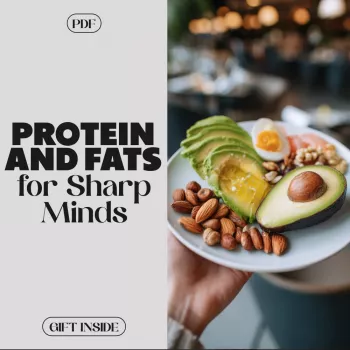
The power of protein and fats for sharp minds
Mental clarity depends on more than caffeine and willpower. Protein supplies the building blocks for neurotransmitters, while fats provide key structural and functional support for brain cells. When meals are built around the right balance of protein and quality fats—alongside fiber-rich carbs and hydration—focus becomes easier to sustain and energy feels steadier throughout the day.
If you want a quick-reference approach with ready-to-use meal ideas, The Power of Protein and Fats for Sharp Minds – eBook Guide to Boost Focus and Brain Function is designed to make the basics practical for busy schedules.
Why brains thrive on protein and fats
Your brain is energy-hungry and surprisingly sensitive to blood-sugar swings. Meals that include protein and fats (not just refined carbs) can help reduce the classic mid-morning and mid-afternoon “crash,” especially during long study sessions or desk-heavy workdays.
- More stable energy: Balanced meals tend to digest more slowly, which can help smooth out peaks and dips.
- Neurotransmitter support: Protein provides amino acids used to make neurotransmitters involved in alertness, motivation, and calm concentration.
- Brain structure and signaling: Dietary fats support cell membranes, myelin, and normal signaling processes—some fats are essential and must come from food.
- Fewer distractions from hunger: Higher-protein, higher-quality-fat meals often improve satiety, reducing snack impulses that interrupt deep work.
For a helpful primer on omega-3s and why they matter, see Harvard Health Publishing and the NIH Office of Dietary Supplements omega-3 fact sheet.
Protein for attention: how much, when, and what kind
A consistent, “protein-forward” pattern often feels better than treating protein as a dinner-only nutrient. Many people notice steadier energy when they include protein at breakfast and lunch, not just at night.
- Aim for protein at every meal: This supports steadier energy and can reduce cravings that derail focus.
- Distribute it across the day: Even distribution can feel better than saving most of your protein for dinner.
- Choose high-quality options: Eggs, Greek yogurt, cottage cheese, poultry, fish, lean meat, tofu, tempeh, edamame, lentils, beans, and whey/plant protein powders.
- Pick “focus-friendly” formats: Minimally processed, lower added sugar, and easy to prep to reduce decision fatigue.
- Use simple portion cues: Build meals around a palm-sized protein serving, adjusting for body size, activity level, and appetite.
For an overview of protein’s roles and general intake considerations, the Cleveland Clinic’s protein overview is a solid starting point.
Protein-friendly building blocks for focused meals
| Protein choice | Why it helps a focused day | Easy pairing idea |
|---|---|---|
| Eggs | High satiety; versatile for breakfast or lunch | Scramble with spinach + olive oil |
| Greek yogurt | Quick; pairs with fiber for steadier energy | Add chia + berries + nuts |
| Salmon or sardines | Protein plus omega-3 fats | Serve over rice + cucumber + avocado |
| Tofu/tempeh | Plant-based, easy to batch cook | Stir-fry with veggies + sesame oil |
| Lentils/beans | Protein plus fiber for slower digestion | Soup or salad with olive oil dressing |
Fats that support brain function (and which to limit)
Dietary fat isn’t just “extra calories”—it’s part of what makes meals satisfying and supports normal brain structure. The goal is to prioritize the fats that tend to come packaged with helpful nutrients and to limit the ones that crowd out better options.
A simple template for “steady-focus” meals
Mix-and-match meal framework for focus
| Meal time | Protein anchor | Fat add-on | Fiber-rich carb | Fast example |
|---|---|---|---|---|
| Breakfast | Eggs or Greek yogurt | Olive oil, nuts, or chia | Oats or fruit | Yogurt + chia + berries + walnuts |
| Lunch | Chicken/tofu/beans | Avocado or olive oil dressing | Rice/quinoa/whole-grain bread | Bean bowl + salsa + avocado |
| Snack | Cottage cheese/protein shake | Nut butter | Fruit | Protein shake + banana + peanut butter |
| Dinner | Salmon/tempeh/lean meat | Olive oil or tahini | Potatoes/legumes | Salmon + roasted veg + potatoes |
Common mistakes that sabotage concentration
Reducing friction helps, too. Small quality-of-life upgrades—like keeping hair out of your face during workouts or warm days with a comfortable Classic Houndstooth Plaid Wide Sponge Headband – Non-Slip Hairband for Women & Girls—can make it easier to stick with routines that support energy and focus.
One-week action plan for sharper focus
If your phone is constantly within reach for timers, grocery lists, or meal reminders, using a protective case you actually like can help you keep those tools close without worry: Blueberry Cool Summer Fruit Cartoon Case for iPhone – Shockproof & Cute Cover.
eBook guide: what’s inside and who it’s for
For a more structured approach, The Power of Protein and Fats for Sharp Minds – eBook Guide to Boost Focus and Brain Function is built for real schedules, not perfect ones.
FAQ
Can protein and fats help with brain fog?
Balanced meals with protein, quality fats, and fiber-rich carbs can support steadier energy and fewer blood-sugar swings, which may reduce “foggy” feelings. Persistent brain fog can have many causes, so consider medical guidance if it’s ongoing or severe.
What’s a good breakfast for focus without a crash?
Combine protein + healthy fat + fiber, such as Greek yogurt with chia and berries, eggs with veggies and avocado, or a tofu scramble cooked in olive oil. Keep sugary add-ons (sweetened cereals, pastries, syrup-heavy meals) occasional to avoid a rapid energy dip later.
Do omega-3s matter for brain function?
Omega-3s are important structural fats that support normal brain structure and function. Fatty fish provides EPA/DHA directly, while chia, flax, and walnuts provide ALA, which the body converts in smaller amounts.








Leave a comment