Enclosed Litter Box Drawbacks: Odor, Cleanup, Cat Comfort
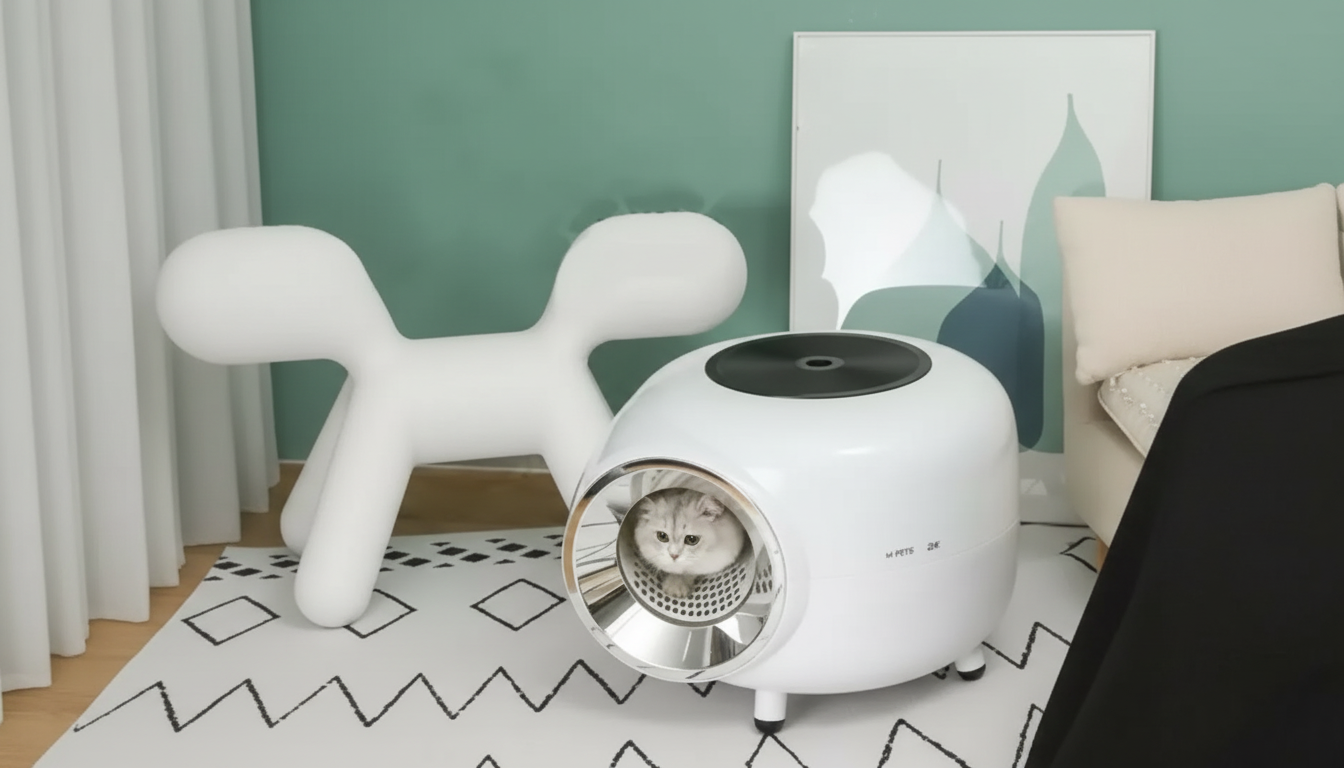
What are the drawbacks of an enclosed litter box?
An enclosed litter box can look tidier and help keep litter contained, but it isn’t the best fit for every cat or home. One common drawback is odor buildup. With a lid and smaller air exchange, smells can concentrate inside the box, especially if it isn’t scooped frequently or the room has limited ventilation.
Enclosed boxes can also be harder to keep truly clean. The lid, seams, and door flap (if included) collect residue and trapped dust over time. If those parts aren’t washed regularly, lingering odors can stick around even after the litter is changed.
Some cats simply don’t like the enclosed feel. A covered box can feel cramped or “cornering,” which may discourage use—particularly for anxious cats, seniors with limited mobility, or larger breeds that need extra turning space. If your cat hesitates at the entry, rushes out, or starts going outside the box, the cover may be part of the problem.
Tracking and mess can still happen, just in different ways. While a lid may reduce kicked litter, cats may carry more dust out on their paws, and urine spray can end up on the interior walls and lid. That can create hidden messes that are easy to miss until odors become noticeable.
Finally, enclosed boxes can be inconvenient for daily maintenance. Scooping through a smaller opening is fussier, and many models require removing the top to clean thoroughly. If a box is annoying to maintain, it’s more likely to be cleaned less often—which can lead to stronger odors and a less appealing setup for your cat.
For a deeper breakdown and practical tips on choosing the right style, visit this guide on the drawbacks of an enclosed litter box.
FAQ
Do enclosed litter boxes reduce litter tracking?
They can reduce litter being kicked straight out, but tracking can still occur when litter dust and granules cling to paws and get carried out. Adding a litter mat and using low-tracking litter often helps more than the lid alone.









Leave a comment